Pets and Your Child’s Social & Emotional Growth

Home » Blog » Parent Strategies

Estimated reading time: 4 minutes

Pets and child development are often discussed in relation to communication, social interaction and emotional development. While having a pet does not automatically improve these skills, everyday interactions with pets can create enjoyable opportunities for shared attention and communication.

Activities such as feeding, brushing, playing with or talking about a pet can create natural opportunities for children and adults to communicate, take turns and talk about emotions and experiences.

Read More

Helping Your Child Ask for Help: Communication Strategies at Home

Home » Blog » Parent Strategies

Estimated reading time: 5 minutes

Asking for help is an important communication and problem-solving skill that children develop over time. It allows a child to communicate when they need assistance, clarification, comfort or support and can help them become more confident and independent in everyday activities.

Children can ask for help in many different ways. Some may use spoken words, while others may communicate through gestures, pointing, eye gaze, signs, pictures or an augmentative and alternative communication (AAC) system. Parents and carers can support this skill by recognising these different forms of communication and creating natural opportunities for children to practise asking for help at home.

Read More

Home Practice: Practical Tips for Speech Therapy at Home

Home » Blog » Parent Strategies
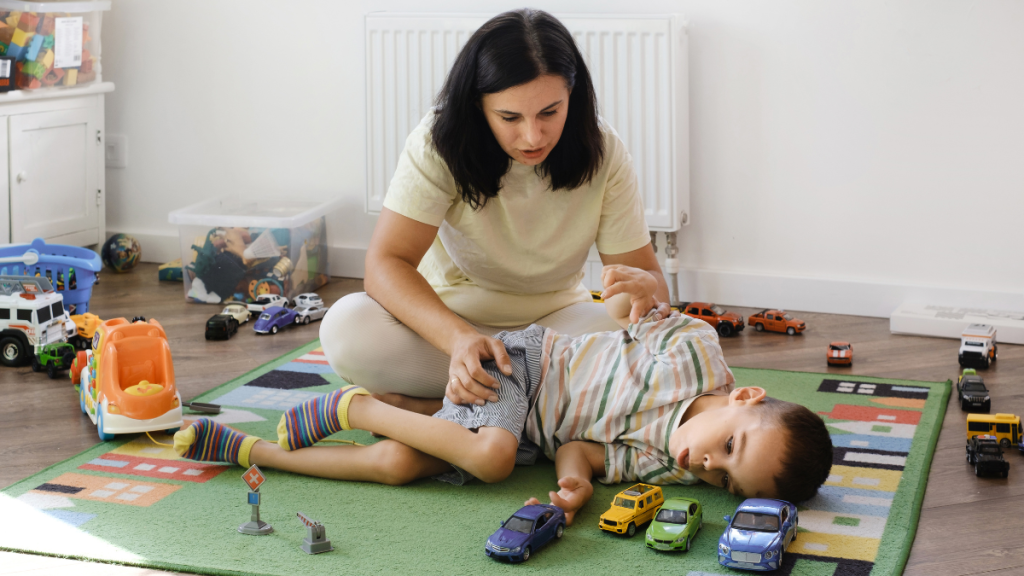
Parent and child completing speech therapy home practice together

Estimated reading time: 6 minutes

Home practice can help children strengthen and use the skills they are developing in Speech Pathology sessions. Short, regular opportunities to practise at home can help children become more familiar with new speech, language or communication skills and use them in everyday situations.

However, fitting therapy activities into family life is not always easy. Home practice does not need to be long or complicated. A few minutes of focused practice, incorporated into routines, play or everyday activities, can often be more manageable for children and families.

Research suggests that parent-implemented home programs can support children’s speech and language development when families receive appropriate guidance and training from their therapist.

Read More

Why Waiting Can Help Your Child Communicate

Home » Blog » Parent Strategies

Estimated reading time: 5 minutes

Waiting can be a simple but powerful communication strategy. By pausing and giving your child time to respond, you create more opportunities for them to initiate, communicate and take an active role in the interaction.

Children communicate in many different ways, including facial expressions, body language, gestures, sounds, words and sentences. Some communication attempts can be subtle, especially for children who use few spoken words or need more time to process what has been said.

When adults slow down and wait, children have more time to notice, process and respond. This can support communication, shared attention and participation in everyday interactions.

Read More